精品一区二区免费在线观看_国产精品久久久久久av福利软件_97成人精品区在线播放_国内成人精品一区

Compared with the traditional ones, the new satellites .A. need long start-up times B. are low-cost and small-sizedC. are very hard to operate D. collect more information in orbit 查看更多


題目列表(包括答案和解析)

As we know, it is not easy to build a satellite(衛(wèi)星). Building a traditional satellite usually takes years. The costs can be as high as $250 million or more. Most members of the design teams have worked in the field for a long time. They hold advanced degrees(學歷) in math, science, or engineering.
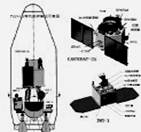
But things are changing. High costs, unusual educational needs and long start-up times are no longer an obstacle(障礙) to space exploration. The scientists have developed a new type of tiny, inexpensive earth-orbiting(軌道) satellite.
So far, college students have built and launched(發(fā)射) several cube-shaped satellites, or CubeSats. At least 15 more are ready to go. Those already in orbit take pictures, collect information and send it back to the earth, just as regular satellites do.
But you might not even have to wait until you get to college to start designing and building your own satellite. A new program called KatySat aims to get teenagers to take part in. When kids understand what satellites can do, the kinds of ideas they’ll come up with may be countless.
Education isn’t the only aim of CubeSats because these tiny, technology-filled boxes are  inexpensive to build and can be put together quickly, they’re perfect for testing new technologies that might one day be used on major space tasks.
The biggest challenge now is to find ways to bring the satellites back to the earth after a year or two. Or space junk could gradually increase because CubeSats become more popular.
Nowadays, college and high school students are getting a chance to learn what it takes to explore in space. Someday—perhaps a lot sooner that you imaging—you might get to design, build and launch your own satellite. If you do, you’re sure to have fun. And you might also get crazy about science for life.
小題1:Building a traditional satellite __________.
A. costs $250,000          
B. needs college students      
C. takes quite a long time
小題2:Compared with the traditional ones, the new satellites __________.
A. need long start-up times    
B. are cheap and small-sized   
C. collect more junk in orbit
小題3:The underlined word “countless” in Paragraph 4 probably means “__________”.
A. 無用的                   B. 無價值的             C. 無數(shù)的
小題4:According to the passage, which of the following is true?
A. CubeSats could possibly cause pollution in space.
B. Scientists designed CubeSats for kids to play with.
C. Students can’t design satellites without college education.
小題5:The purpose of the author writing the passage is __________.
A. to tell us that satellite technology can also be learned by kids
B. to show that high technology brings a big change in kids’ life
C. to tell us that kids must study hard to learn satellite technology

查看答案和解析>>

閱讀理解。

     As we know, it is not easy to build a satellite. Building a traditional satellite normally takes years. The
costs can be as high as $ 250 million or more. Most members of the design teams have worked in the field
for a long time. They hold advanced degrees in math, science, or engineering.
     But things are changing. High costs, unusual educational requirements and long start-up times are no
longer an obstacle to space exploration. The scientists at Stanford University have developed a new type of
tiny, inexpensive earth-orbiting satellites that go from ideas to launch (發(fā)射) in a year.
     So far, college students have built and launched several cube-shaped satellites, or Cube Sats. At least 15
more are ready to go. Those already in orbit (軌道) take pictures, collect information. and send it back to the
earth, just as regular satellites do.
     But you might not even have to wait until you get to college to start designing and building your own
satellite. A new program called Katy Sat aims to get teenagers to take part. Once kids understand and what
satellites can do, says Ben Yuan, an engineer at Lockheed Martin in Menlo Park, Calif, the kinds of applications
they'll come up with may be countless.
     "We'd like to put this technology (技術(shù)) in your hands," he tells kids." We're going to teach you how to
operate a satellite. Then we want to turn it over to you as a sandbox for you to play in. We want you to take
the technology into new directions that we haven't though of yet."
     Education isn't the only goal of Cube Sats. Because these tiny, technology-filled boxes are relatively
inexpensive to build and can be put together quickly, they're perfect for testing new technologies that might
one day be used on major space tasks.
    The biggest challenge now is to find ways to bring the satellites back to the earth after a year or two.
Otherwise, major highways of space junk could gradually increase as CubeSats become more common.
     Nowadays, college and high school students are getting a chance to learn what it takes to explore in space.
Someday-perhaps a lot sooner than you imagine-you might get to design, build and launch your own satellite.
If you do, you're sure to have fun. And you might also get crazy a-bout science for life.
1. Compared with the traditional ones, the new satellites ______.
A. need long start-up times
B. are low-cost and small-sized
C. are very hard to operate
D. collect more information in orbit
2. What does the underlined word "obstacle" probably mean?
A. An aim to achieve in the near future.
B. An imagination that kids usually have.
C. Something dangerous to terrify people.
D. Something difficult that stands in the way.
3. According to the passage, which of the following is true?
A. CubeSats could possible cause pollution in space.
B. A few kids will send applications for the project.
C. Scientists designed CubeSats for kids to play with
D. Students can't design satellites without college education.
4. What's the purpose of the author writing the passage?
A. To show that high technology brings a big change in kids' life.
B. To show that kids lead the space research into a new direction.
C. To tell us that satellite technology can also be learned by kids.
D. To tell us that kids must study hard to learn satellite technology.

查看答案和解析>>

閱讀理解

  As we know, it is not easy to build a satellite.Building a traditional satellite normally takes years.The costs can be as high as $ 250 million or more.Most members of the design teams have worked in the field for a long time.They hold advanced degrees in math, science, or engineering.

  But things are changing.High costs, unusual educational requirements and long start-up times are no longer an obstacle to space exploration.The scientists at Stanford University have developed a new type of tiny, inexpensive earth-orbiting satellites that go from ideas to launch(發(fā)射)in a year.

  So far, college students have built and launched several cube-shaped satellites, or Cubesats.At least 15 more are ready to go.Those already in orbit(軌道)take pictures, collect information and send it back to the earth, just as regular satellites do.

  But you might not even have to wait until you get to college to start designing and building your own satellite.A new program called KatySat aims to get teenagers to take part.Once kids understand what satellites can do, says Ben Yuan, an engineer at Lockheed Martin in Menlo Park, Calif, the kinds of applications they’ll come up with may be countless.

  “We’d like to put this technology(技術(shù))in your hands,” he tells kids.“We’re going to teach you how to operate a satellite.Then we want to turn it over to you as a sandbox for you to play in.We want you to take the technology into new directions that we haven’t thought of yet.”

  Education isn’t the only goal of CubeSats.Because these tiny, technology-filled boxes are relatively inexpensive to build and can be put together quickly, they’re perfect for testing new technologies that might one day be used on major space tasks.

  The biggest challenge now is to find ways to bring the satellites back to the earth after a year or two.Otherwise, major highways of space junk could gradually increase as CubeSats become more common.

  Nowdays challenge and high school students are getting a chance to learn what it takes to explore in space.Someday-perhaps a lot sooner than you imagine-you might get to design, build and launch your own satellite.If you do, you’re sure to have fun.And you might also get crazy about science for life.

(1)

Compared with the traditional ones, the new satellites ________.

[  ]

A.

need long start-up times

B.

are low-cost and small-sized

C.

are very hard to operate

D.

collect more information in orbit

(2)

What does the underlined word “obstacle” mean?

[  ]

A.

An aim to achieve in the near future.

B.

An imagination that kids usually have.

C.

Something dangerous to terrify people.

D.

Something difficult that stands in the way.

(3)

According to the passage, which of the following is true?

[  ]

A.

CubeSats could possibly cause pollution in space.

B.

A few kids will send applications for the project.

C.

Scientists designed CubeSats for kids to play with.

D.

Students can’t design satellites without college education.

(4)

What’s the purpose of the author writing the passage?

[  ]

A.

To show that high technology brings a big change in kids’ life.

B.

To show that kids lead the space research into a new direction.

C.

To tell us that satellite technology can also be learned by kids.

D.

To tell us that kids must study hard to learn satellite technology.

查看答案和解析>>


同步練習冊答案
精品一区二区免费在线观看_国产精品久久久久久av福利软件_97成人精品区在线播放_国内成人精品一区
日本一区二区视频在线| 日韩中文字幕不卡| 日本高清视频一区二区| 亚洲一区二区视频在线| 欧美色老头old∨ideo| 午夜激情综合网| 欧美成人精品福利| 国产精品自拍在线| 国产精品久久久久影院亚瑟| 色一情一伦一子一伦一区| 亚洲午夜电影在线观看| 欧美一区二区黄| 国产一区二区三区国产| 国产精品福利影院| 欧美视频完全免费看| 日本欧美加勒比视频| 久久一区二区三区国产精品| 成人美女视频在线观看| 亚洲久草在线视频| 这里只有精品99re| 国产高清精品网站| 一区二区三区蜜桃网| 91精品国产高清一区二区三区蜜臀 | 99麻豆久久久国产精品免费| 一级精品视频在线观看宜春院 | 在线观看亚洲专区| 蜜桃91丨九色丨蝌蚪91桃色| 国产欧美一区二区三区在线看蜜臀 | 美女在线视频一区| 国产嫩草影院久久久久| 在线免费观看视频一区| 捆绑调教美女网站视频一区| 国产精品久久网站| 欧美美女黄视频| 国产精品1区2区3区在线观看| 亚洲欧洲综合另类| 日韩午夜在线观看视频| 成人性色生活片| 午夜精品久久久久久久| 国产欧美日韩精品a在线观看| 在线观看视频91| 国产在线精品一区二区不卡了| 亚洲三级在线观看| 日韩欧美国产午夜精品| 97精品超碰一区二区三区| 日韩av中文字幕一区二区三区| 国产精品日韩成人| 7777精品久久久大香线蕉| 东方欧美亚洲色图在线| 日韩精品成人一区二区在线| 国产精品美女久久久久aⅴ| 91精品黄色片免费大全| www.欧美.com| 韩日欧美一区二区三区| 亚洲一区二区视频| 欧美国产日韩亚洲一区| 欧美一区二区三区公司| 91女人视频在线观看| 黑人巨大精品欧美一区| 亚洲第一久久影院| 欧美激情资源网| 欧美一区二区三区男人的天堂| 91蜜桃传媒精品久久久一区二区| 久久99九九99精品| 亚洲大片免费看| 亚洲欧洲日产国码二区| 久久综合精品国产一区二区三区| 欧美日韩视频一区二区| 99精品视频在线免费观看| 国产一区二区影院| 日本aⅴ精品一区二区三区| 亚洲区小说区图片区qvod| 久久精品人人爽人人爽| 91精品一区二区三区久久久久久 | 五月天国产精品| 自拍偷自拍亚洲精品播放| 久久婷婷色综合| 欧美日韩国产另类不卡| 色婷婷综合视频在线观看| 国产成人综合视频| 久久99久久99小草精品免视看| 亚洲www啪成人一区二区麻豆| 亚洲免费色视频| 亚洲国产一区在线观看| 国产99久久久精品| 麻豆免费精品视频| 亚洲一卡二卡三卡四卡| 亚洲色图制服诱惑| 国产精品色一区二区三区| 久久久久久免费网| 日韩精品一区在线| 69av一区二区三区| 欧美日韩国产在线观看| 欧美在线观看禁18| 色综合天天综合狠狠| 成人午夜视频网站| 国产精品18久久久久久久久久久久| 免费在线看成人av| 日韩成人午夜电影| 五月激情六月综合| 丝袜美腿亚洲综合| 婷婷中文字幕一区三区| 亚洲一区二区三区四区在线观看| 伊人色综合久久天天| 亚洲欧美一区二区三区极速播放| 国产精品久久久久天堂| 国产精品亲子伦对白| 欧美高清在线精品一区| 日本一区二区三区国色天香| 国产欧美一区二区精品仙草咪| 久久久久综合网| 国产日本欧洲亚洲| 国产欧美精品一区aⅴ影院| 日本一区二区综合亚洲| 国产精品色哟哟| 中文字幕一区av| 亚洲欧美另类图片小说| 一区二区三区在线播| 一区二区三区在线播放| 亚洲午夜一区二区三区| 亚洲成精国产精品女| 婷婷激情综合网| 美女在线一区二区| 狠狠色综合色综合网络| 国产另类ts人妖一区二区| 国产69精品久久99不卡| 99久久免费视频.com| 91丨porny丨在线| 欧美在线小视频| 欧美精品一卡二卡| 日韩视频一区在线观看| 久久色在线视频| 国产精品毛片a∨一区二区三区 | 亚洲蜜臀av乱码久久精品蜜桃| 亚洲黄色在线视频| 午夜成人免费电影| 老司机一区二区| 国产99久久久国产精品潘金| 91视频免费观看| 欧美日本一道本| 精品精品国产高清a毛片牛牛| 久久精品这里都是精品| 中文字幕日韩精品一区| 亚洲一卡二卡三卡四卡五卡| 日本欧美韩国一区三区| 国产一区二区精品在线观看| 99久久综合狠狠综合久久| 欧美中文字幕亚洲一区二区va在线| 在线播放91灌醉迷j高跟美女| 欧美第一区第二区| 国产精品视频在线看| 亚洲综合丁香婷婷六月香| 青青草国产精品97视觉盛宴| 国产成人欧美日韩在线电影| 日本精品裸体写真集在线观看| 欧美一区三区四区| 久久精品人人做| 亚洲综合在线第一页| 男女性色大片免费观看一区二区| 国产精品99久久久| 欧洲一区二区av| 精品国产污污免费网站入口| 国产精品成人网| 日本强好片久久久久久aaa| 国产精品一区在线观看乱码| 色婷婷av一区二区三区软件| 欧美一级日韩不卡播放免费| 国产精品青草综合久久久久99| 亚洲成av人片| 国产成人a级片| 欧美日韩精品一区视频| 国产欧美日韩视频一区二区| 亚洲午夜久久久| 国产夫妻精品视频| 欧美日免费三级在线| 久久网站最新地址| 亚洲精品国产第一综合99久久| 亚洲精品久久7777| 精品一区二区免费在线观看| 色综合久久88色综合天天6 | 亚洲欧洲日韩一区二区三区| 蜜臀久久99精品久久久久宅男| 99精品久久只有精品| 精品三级av在线| 一区二区三区高清在线| 国产乱人伦偷精品视频不卡| 欧美日韩dvd在线观看| 国产精品乱码人人做人人爱 | 欧美唯美清纯偷拍| 欧美经典三级视频一区二区三区| 婷婷久久综合九色综合绿巨人 | jvid福利写真一区二区三区| 日韩一级片在线播放| 亚洲精品视频免费看| 国产乱码精品1区2区3区| 91 com成人网| 一区二区三区久久久| 丁香婷婷综合网| 欧美大胆一级视频| 亚洲国产日韩av|